




Most routines don't fail because people pick the wrong products. They fail because the actives get chosen for what's trending, not for what the skin can actually tolerate. A retinol that's too strong for a first-timer. A Vitamin C that's already starting to oxidise. Five "hero" products layered on with no real order to them. It usually ends the same way: irritation, and then another half-used bottle at the back of the cabinet.
That’s why evidence-based skincare in Australia feels less like a passing trend and more like something people genuinely look for when deciding what’s worth continuing to use.
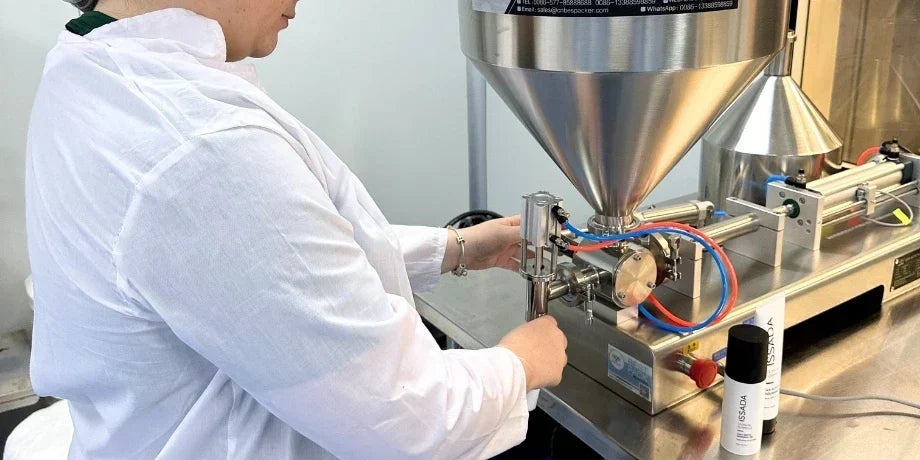
ISSADA is a science-led skincare brand formulated and manufactured at our own facility on the Gold Coast. The idea behind it is fairly simple: judge skincare by what it does for skin health, not by how the packaging photographs. That means being clear about ingredient choices, keeping claims defensible, and giving people a routine they can actually follow.
This article gets into how we approach formulation, what "evidence-led" means in practice rather than as a marketing line, and how to put together a simple routine using it.
Key Takeaways
- What "science-led" means in Australian skincare, and what it doesn't claim to be
- What evidence looks like at ISSADA, the concrete standards behind the marketing language
- Who this approach best suits, and how to build a routine without over-complicating it
- A simple actives compatibility guide, including SPF guidance
Table of Contents
- What "Science-Led Skincare" Means (and What It Doesn't Claim)
- What Evidence Looks Like at ISSADA (Stability, pH, Manufacturing Controls)
- How to Spot Evidence-Led Skincare (A Quick Checklist)
- Who Can Benefit from Evidence-Led Skincare
- A Simple Skincare Routine: Cleanse, Treat, Hydrate, Protect
- Using Retinol, Vitamin C and Niacinamide in Your Routine
- Made in Australia: Why Local Manufacturing Matters
- Frequently Asked Questions
What "Science-Led Skincare" Means (and What It Doesn't Claim)
For us, "science-led" comes down to formulation decisions more than branding. It means prioritising ingredient stability and delivery, actives like Vitamin C and Retinol still perform the way they should on the last use, not just the first.
In Australia, cosmetics are designed to cleanse, moisturise, protect or improve the appearance of the skin. Cosmeceuticals go a step further, using active ingredients with performance in mind. At ISSADA, we follow Australian requirements for cosmetic claims and avoid making therapeutic promises. We believe in realistic results, not overnight miracles.
We’re also thoughtful about what goes into our formulas. Choosing to leave out ingredients like parabens and mineral oils doesn’t mean compromising on active performance. For us, it’s about finding the right balance rather than treating “clean” and effective skincare as an either/or choice.
From Formula to Finish: How ISSADA Approaches Quality
"Backed by science" is a phrase that gets used a lot in this industry, so it's worth being specific about what we mean and what we don't claim.
Stability testing. Actives prone to degradation, particularly Vitamin C, are tested for how they hold up over time and under Australian climate conditions, not just at the point of manufacture.
pH-matched formulation. We formulate to sit closer to skin's natural pH range. This is one factor among several that affects how tolerable a high-strength active feels on application, not a guarantee against irritation.
In-house manufacturing controls. Because formulation and production happen at the same Gold Coast facility, we can maintain consistent quality control batch to batch rather than relying on a third-party contract manufacturer.
Clinic and practitioner feedback. Therapists, dermatologists and plastic surgeons who stock and recommend ISSADA give us a feedback loop that goes beyond retail reviews, particularly around post-treatment tolerance.
Ingredient exclusions. We formulate without parabens, mineral oils, talc, or nanoparticles, and are 100% vegan and cruelty-free.
Worth being upfront about what this isn't: these aren't published clinical trials in the pharmaceutical sense, and we're not going to pretend they are. What we're describing is formulation and manufacturing rigour applied to cosmetic and cosmeceutical products. It's a smaller claim than "clinically proven," but it's one we can actually stand behind.

How to Spot Evidence-Led Skincare (A Quick Checklist)
Who Can Benefit from Evidence-Led Skincare
This approach tends to matter most if you fall into one of these groups:
- You've tried actives before and reacted with irritation, breakouts, or a burning sensation to retinol or high-strength Vitamin C
- You're managing skin post-treatment (peels, laser, injectables) and need products that won't compromise recovery
- You want a routine with fewer, more purposeful steps rather than a ten-product regimen
- You're shopping through a clinic or practitioner recommendation rather than trend-led social content
If you're newer to actives or unsure where to start, a conversation with our team or with our stockists can help set realistic expectations for what daily skincare can and can't do.
A Simple Skincare Routine: Cleanse, Treat, Hydrate, Protect
A good routine isn't about stacking more products. It's about giving each step in it an actual job.
Start with cleansing and keep it simple day to day. A gentle, barrier-supporting cleanser like ISSADA Gentle Cleansing Gel works well morning and evening. For times when skin feels more congested or after heavier pollution exposure, you might reach for a deeper-cleansing option with salicylic acid, like ISSADA Salicylic Purifying Cleanser (AHA/BHA).
From there, treat one active at a time rather than introducing several at once. Retinol usually needs to start low and slow (see the table below) before building up frequency as tolerance improves.
A moisturiser suited to your skin locks in whatever came before it and helps the barrier along while actives do their work. Then SPF, which really isn't optional once retinol or Vitamin C are in the mix. When retinol is part of your routine, daily SPF matters even more, as skin can be more sensitive to sun exposure.
If you wear makeup, a breathable, mineral-based formula can sit over skincare without undoing the previous steps. This tends to matter more for sensitive or post-treatment skin, where lighter, non-comedogenic coverage is usually better tolerated.
Using Retinol, Vitamin C and Niacinamide in Your Routine
If you're new to actives, keep it simple to start:
- Patch test before applying anything new to the full face
- Introduce one active at a time
- Start retinol at 2x/week and build up gradually
- Wear SPF daily, without exception
| Actives | Best Time | Starting frequency | Notes |
|
PM |
2x/week, increasing gradually |
Patch test first. If you're prone to reactions, consider separating from Vitamin C (AM/PM) to reduce irritation risk |
|
|
AM |
Daily, once tolerated |
Store away from direct light/heat to preserve stability |
|
|
AM or PM |
Daily |
Generally well tolerated alongside other actives |
|
|
AM |
Daily, non-negotiable |
Apply as the final step every morning, regardless of which actives you're using |
Always patch test a new active before applying it to the full face, and introduce one new product at a time so you can identify what's causing any reaction.
Made in Australia: Why Local Manufacturing Matters
ISSADA started in Brisbane and has since grown into a fully equipped manufacturing facility on the Gold Coast. Keeping formulation and production in-house and local gives us tighter control over quality, freshness and batch consistency than outsourcing typically allows.
It also cuts down the time between manufacturing and shelf, which matters for sensitive ingredients like Vitamin C, and it supports Australian jobs along the way. Our products are formulated to meet Australian regulatory requirements for cosmetic claims, and the whole range is 100% vegan and cruelty-free.
Elevate Your Skin Health with Clinical Precision
Healthy-looking skin tends to come from a consistent routine built around stable, well-absorbed actives, gentle formulation, and daily SPF, not from adding more products to the shelf. If you've got a cabinet full of things you tried once and stopped using, that's usually a sign to simplify, not a sign you need to buy more.
Browse the ISSADA range →
Frequently Asked Questions
Is Evidence-Based Skincare the Same as Clinically Proven?
Not exactly. “Clinically proven” usually refers to a product or ingredient that has been tested in a clinical setting. Evidence-based skincare is broader, meaning the formula and its claims are guided by relevant research, testing and quality standards.
What’s the Difference Between Evidence-Led Skincare and Traditional Skincare?
Evidence-led skincare puts more focus on ingredient performance, stability, pH and how actives are delivered to the skin. Other skincare products may place more emphasis on texture, scent or the overall experience, so the priorities can be different.
Are ISSADA Products Suitable for Sensitive Skin?
Many of our formulas are created with sensitive skin in mind and are made without parabens or mineral oils. Because sensitive skin can vary from person to person, we recommend patch testing first, especially when introducing active ingredients.
How Do I Know Which Serums Are Right for Me?
Start with your main skin goal, whether that’s dehydration, congestion, uneven tone or the appearance of fine lines. Introduce one active at a time so you can see how your skin responds. Our curated skincare packs can be a helpful starting point, and our team or stockists can help you choose a routine that suits your needs.
Is ISSADA an Australian-Owned Brand?
Yes. ISSADA is Australian-owned, with roots in Brisbane, and our products are manufactured at our Gold Coast facility.
Do ISSADA Products Contain Parabens or Mineral Oils?
No. We formulate without parabens, mineral oils, talc or nanoparticles. Our range is also 100% vegan and cruelty-free.
What Makes a Skincare Brand “Clinical” in Australia?
In skincare, “clinical” generally refers to a more performance-focused approach to formulation, often using active ingredients and evidence to guide product development. It doesn’t automatically mean a product is therapeutic or medically proven, so clear formulation and responsible claims still matter.

Disclaimer: This content is for general information and isn't a substitute for advice from your own dermatologist, particularly if you have sensitive skin or a diagnosed skin condition.


Leave a comment