


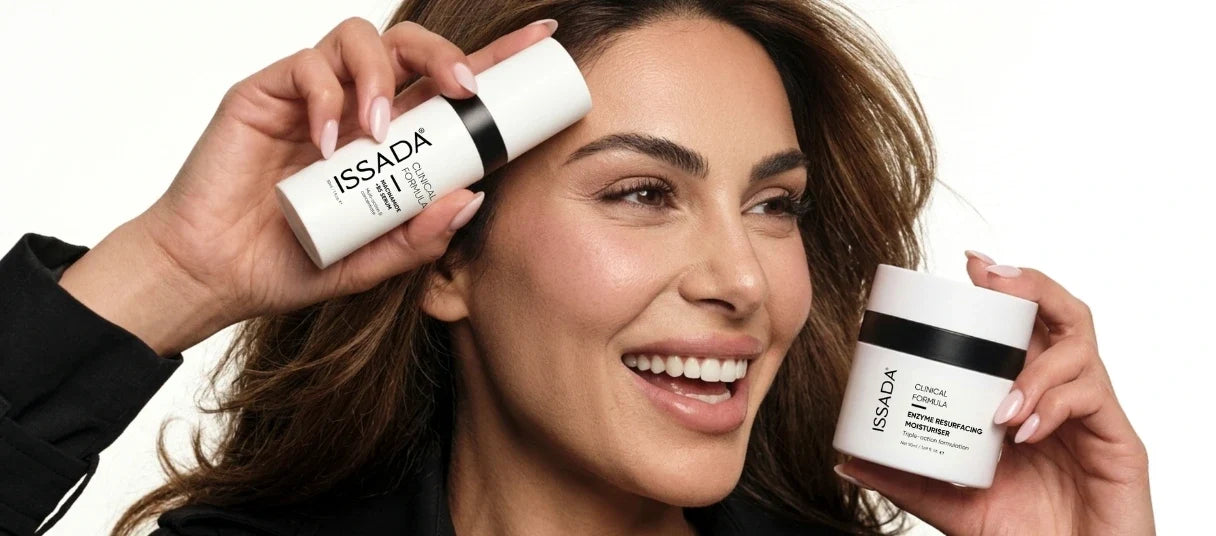


What if the uncomfortable tightness you feel each July isn't just a lack of oil, but a fundamental breakdown of your skin's protective shield? As the temperature drops, many Australians find their complexions losing the battle against biting winds and moisture-sapping indoor heating. You've likely experienced flaking under makeup or increased sensitivity, clear signals that your lipid layer is struggling to maintain its integrity. Understanding how to hydrate skin in winter requires a move beyond basic heavy creams toward a strategic approach to winter skin barrier repair that restores physiological health.
At ISSADA Cosmeceuticals, we believe that seasonal shifts shouldn't compromise your glow or your comfort. This guide will empower you to master a sensitive skin winter routine that balances clinical precision with sensory indulgence. You'll discover the science behind barrier support skincare winter essentials and learn why effective dry skin hydration Australia wide requires a dual-phase approach. From high-potency cosmeceuticals to the protective benefits of mineral skincare for dry skin, we provide the expert solutions needed for a resilient, luminous complexion all season long.
Key Takeaways
- Distinguish between lipid-dry and water-dehydrated skin to ensure your approach to winter skin barrier repair is precisely targeted and effective.
- Harness the synergistic power of Niacinamide and Vitamin B5 to stimulate ceramide production for the clinical barrier support skincare winter demands.
- Master the strategic layering technique of applying active serums to damp skin to optimise dry skin hydration Australia wide and prevent moisture loss.
- Refine your sensitive skin winter routine with a lipid-preserving cleansing ritual that maintains physiological health without stripping essential oils.
- Discover why mineral skincare for dry skin is the ultimate final step, acting as a breathable physical shield against harsh winds and indoor heating.
Table of Contents
- Understanding the Winter Skin Barrier: Why the Australian Climate is So Harsh
- Dry vs. Dehydrated Skin: Identifying Your Winter Concerns
- The Science of Barrier Support: High-Potency Ingredients to Look For
- How to Hydrate Skin in Winter: A Sensitive Skin Routine for Every Stage
Understanding the Winter Skin Barrier: Why the Australian Climate is So Harsh
The stratum corneum, your skin's outermost layer, acts as a sophisticated biological gatekeeper. It's the body's primary defense system, meticulously designed to keep environmental irritants out while sealing vital moisture within. When we discuss winter skin barrier repair, we're looking at restoring this delicate ecosystem. In the Australian winter, the humidity often drops significantly. This creates a "thirsty" atmosphere that actively draws water from your skin through a process known as Trans-epidermal Water Loss (TEWL).
Artificial indoor heating further complicates this physiological struggle. While we crave the warmth of a heater, these systems strip the air of its remaining moisture and deplete the natural lipids that keep your skin supple. This environmental double-whammy often results in a compromised barrier. This is the root of the stinging and tightness many experience during their sensitive skin winter routine. Without a robust shield, your skin becomes vulnerable, leading to a cycle of dehydration and reactivity that can feel impossible to break without the right clinical intervention.
The Physiology of a Compromised Barrier
Visualise your skin barrier as a structural brick wall. The skin cells, known as corneocytes, are the bricks, while the lipids, such as ceramides and fatty acids, act as the mortar. The skin barrier is the essential moisture-retaining shield of the epidermis. When winter stressors deplete these lipids, the mortar crumbles and creates microscopic cracks in your skin's surface. These gaps allow vital moisture to escape and external triggers to enter, which is why your usual products might suddenly cause a stinging sensation. Restoring this structural integrity is the first step toward achieving lasting dry skin hydration Australia wide.
Australian Winter Factors: Beyond the Cold
Australian winters are deceptively harsh for the complexion. Unlike the damp cold found in other parts of the world, our winter air is often incredibly dry, and our UV levels remain surprisingly high even on overcast days. Wind chill acts like a vacuum, accelerating the evaporation of surface moisture and chilling the skin's surface, which can slow down natural oil production. Because ISSADA manufactures every formula in our own Australian facility, we understand these specific environmental stressors intimately. We focus on barrier support skincare winter needs by creating high-potency cosmeceuticals designed for local conditions. This ensures your skin remains resilient against the unique Australian elements rather than just sitting on the surface like mass-market alternatives.
Dry vs. Dehydrated Skin: Identifying Your Winter Concerns
Distinguishing between dry and dehydrated skin is the essential first step in any effective sensitive skin winter routine. While these terms are often used interchangeably in casual conversation, they represent two distinct physiological states that require different clinical interventions. Dry skin is a genetic skin type characterised by a lack of natural oil, or sebum. Conversely, dehydrated skin is a temporary condition where the epidermis lacks water. During an Australian winter, these two concerns frequently overlap; the cold air strips away surface oils while indoor heating evaporates deeper water reserves.
Identify your primary concern by observing how your skin behaves throughout the day. Dry skin often feels rough to the touch and displays persistent flaking or a dull, matte appearance regardless of the season. Dehydrated skin presents more subtly through "crinkled" fine lines, a loss of elasticity, and a paradoxical sensation of being oily yet feeling uncomfortably tight. Recognising these nuances allows you to tailor your dry skin hydration Australia strategy to address exactly what your cells are craving.
The Role of Sebum and Lipids in Barrier Health
Natural oils are the vital "mortar" that holds your skin's protective bricks together. When sebum levels are low, your moisture seal weakens and allows environmental irritants to penetrate more easily. Many people inadvertently worsen this during winter by using harsh, foaming washes that strip away these precious lipids. To maintain a healthy balance, we recommend starting your ritual with our Daily Gentle Cleansing Gel. This sophisticated formula from ISSADA Cosmeceuticals effectively removes impurities without compromising the delicate lipid layer, ensuring your barrier remains resilient against the elements.
Hydration at a Cellular Level
Water is the lifeblood of a luminous complexion. Humectants like Hyaluronic Acid act as molecular sponges, pulling moisture from the atmosphere into the skin's deeper layers. However, applying hydration without an occlusive layer is often counterproductive in dry climates; the water simply evaporates, leaving the skin more parched than before. Effective winter skin barrier repair requires layering these water-binding actives under a nourishing moisturiser to "trap" the hydration within the tissue.
Use this quick checklist to assess your current skin state:
- Dry Skin: Visible flaking, small pores, rough texture, feels better after applying facial oils.
- Dehydrated Skin: Fine "crepe-like" lines when smiling, skin looks "shadowy" or dark, feels tight even if shine is present.
- Compromised Barrier: Stinging when applying basic products, persistent redness, increased sensitivity to wind.
Understanding these signals empowers you to move beyond guesswork and provide your skin with the precise clinical support it needs to thrive despite the cold.
The Science of Barrier Support: High-Potency Ingredients to Look For
Achieving effective winter skin barrier repair requires moving beyond basic occlusives and embracing the clinical sophistication of biomimetic ingredients. While heavy balms might provide temporary relief, they often fail to address the underlying structural deficiencies caused by the Australian cold. To truly fortify your complexion, you must look for actives that communicate with your skin cells, encouraging them to produce the lipids and moisture-binding molecules necessary for long-term resilience. This scientific approach ensures your sensitive skin winter routine does more than just sit on the surface; it actively rebuilds your skin's natural defences.
Stable Vitamin C, specifically in the form of Ascorbyl Tetraisopalmitate, is a winter essential for those seeking a luminous glow without the irritation often associated with traditional L-ascorbic acid. This oil-soluble derivative penetrates deeply to brighten dullness while providing essential antioxidant protection against environmental stressors. When paired with Biomimetic Hyaluronic Acid, which mimics the skin's own natural moisturising factors, you create a multi-level reservoir of dry skin hydration Australia wide. These ingredients work in harmony to plump the epidermis and smooth away the fine "dehydration lines" that often emerge when the mercury drops.
Niacinamide and B5: The Power Duo
The synergy between Niacinamide (Vitamin B3) and Panthenol (Vitamin B5) is the gold standard for barrier support skincare winter protocols. Our B3 Serum, known as the Niacinamide + B5 Complex, is meticulously formulated to strengthen the skin's architecture by stimulating the natural production of ceramides. Clinical evidence supports B3 for its remarkable ability to reduce the appearance of redness and uneven pigmentation, concerns that are frequently heightened by harsh winds. Meanwhile, Vitamin B5 acts as a soothing balm for wind-burned or tight skin, providing immediate comfort while supporting the physiological repair process. This combination ensures your barrier is not just protected, but structurally superior.
Enzymatic Resurfacing vs. Harsh Acids
Many people mistakenly reach for aggressive physical scrubs to banish winter flakiness, but these often create micro-tears that further compromise a fragile barrier. We advocate for a more refined approach to exfoliation. Our Enzyme Resurfacing Moisturiser utilises the gentle micro-peeling power of pumpkin and papaya enzymes to dissolve dead skin cells without the trauma of friction. These botanical enzymes revitalise a dull complexion and allow your subsequent serums to penetrate more effectively. It's a sophisticated way to maintain a smooth texture while honouring the delicate nature of your skin's protective shield during the colder months.
By integrating these high-potency actives into your daily ritual, you provide your skin with the tools it needs to remain calm, hydrated, and radiant. This clinical foundation is what sets a professional-grade routine apart from mass-market alternatives, ensuring your skin health is never a casualty of the season.

How to Hydrate Skin in Winter: A Sensitive Skin Routine for Every Stage
Translating clinical knowledge into a daily ritual is where true transformation occurs. Mastering how to hydrate skin in winter isn't about simply applying more product; it's about the strategic application of high-potency formulas that respect your skin's physiological needs. A well-structured sensitive skin winter routine should focus on preserving the natural lipid mantle while aggressively replenishing water reserves that the Australian climate constantly tries to steal. ISSADA Cosmeceuticals recommends this professional four-step protocol to maintain a resilient, glowing complexion through the coldest months.
Step 1: Gentle Cleansing. Use the Daily Gentle Cleansing Gel to lift away environmental pollutants without disrupting your skin's essential "mortar." Avoid hot water, which can melt away protective lipids and leave the barrier vulnerable.
Step 2: Strategic Layering. Apply your Niacinamide + B5 Complex while the skin is still slightly damp. This technique captures surface moisture and allows humectants to pull that hydration deeper into the epidermis for superior winter skin barrier repair.
Step 3: Lipid Replenishment. Seal your serums with the Enzyme Resurfacing Moisturiser. This step is vital for "trapping" your active ingredients and providing a physical shield against moisture-sapping indoor heating.
Step 4: Non-Negotiable Protection. Finish with a high-quality SPF. Even in July, Australian UV levels are sufficient to cause cellular stress and weaken a compromised barrier, making daily protection an absolute necessity. ISSADA Sheer Defence SPF 50+ is a lightweight sunscreen broad-spectrum UVA/ UVB daily SPF 50+ sunscreen lotion for protection that sits well under makeup and is gentle enough for sensitive or dry winter skin.
The Menopause Connection: Why Your Skin Becomes More Sensitive
Hormonal shifts play a significant role in how our skin responds to seasonal changes. As oestrogen levels decline, the skin naturally loses its ability to retain moisture and produce collagen at the same rate. Does menopause cause sensitive skin? The clinical answer is a resounding yes. This hormonal depletion leads to a thinner, more fragile epidermis that is easily irritated by wind and cold. For those navigating this transition, focusing on barrier-building ingredients like those found in our B3 Serum is essential to maintain structural integrity. To simplify your transition, you can find these essentials in our skincare packs for all common skincare concerns, curated by ISSADA Cosmeceuticals to support hormonal skin through every season.
Professional Layering Techniques
The sequence of your products is just as important as the ingredients themselves. Always follow the "thinnest to thickest" rule; water-based serums go on first, followed by heavier creams. For a morning routine, focus on protection by layering 25% Vitamin C Serum under your moisturiser to combat environmental oxidative stress. In the evening, pivot to repair. If you're feeling particularly parched, mixing a drop of facial oil into your moisturiser can provide an extra layer of emollient support to prevent overnight TEWL.
Beyond Skincare: How Mineral Makeup Protects Your Barrier in Winter
While many view makeup as a decorative afterthought, at ISSADA, we consider it the vital final stage of your protective ritual. Traditional cosmetics often contain drying fillers that exacerbate seasonal tightness, but high-grade mineral skincare for dry skin acts as a functional extension of your clinical routine. By transitioning from your serums to our mineral-rich complexion products, you create an additional physical shield against the harsh Australian elements. This holistic approach ensures that your winter skin barrier repair efforts are preserved, rather than compromised, throughout the day.
The bridge between these two worlds is our Canvas Mineral Foundation Primer. This sophisticated formula prepares the skin surface, ensuring that subsequent layers sit perfectly without settling into fine dehydration lines. For those requiring intensive dry skin hydration Australia wide, our Mineral CC8 Cream Foundation is a multitasking tinted moisturiser and light foundation that gives skin a fresh, dewy glow. Its hydrating formula helps revive tired, dull, or winter-dry skin, leaving the complexion looking smoother, brighter, and more youthful. With buildable light to medium coverage, it helps even out skin tone while nourishing and protecting against everyday environmental stress. The formula adapts to your natural skin tone for a seamless, second-skin finish. Ideal for mature, normal, and dry skin, CC8 Cream restores moisture, softens the look of dryness, and provides natural UV protection.
The Health Benefits of Talc-Free Minerals
Traditional makeup often relies on talc and bismuth oxychloride, ingredients that can act as desiccants and strip moisture from an already fragile winter barrier. ISSADA is committed to toxin-free, clean beauty standards, opting instead for high-grade minerals like Zinc Oxide. This specific mineral is renowned for its natural anti-inflammatory properties, which help to calm the redness often associated with a sensitive skin winter routine. By avoiding heavy fillers and synthetic irritants, we ensure your makeup supports your physiological health rather than creating a cycle of irritation and dryness.
Secure Your Glow with Clinical Precision
Protecting your complexion against the Australian elements requires more than just surface-level care. By distinguishing between lipid-dry and water-dehydrated states, you've taken the first step toward an intelligent approach to winter skin barrier repair. We've explored how the synergy of Niacinamide + B5 Complex strengthens your skin's architecture, and why transitioning to mineral-rich complexion products provides the essential physical shield your cells crave during the colder months.
As an Australian-owned brand that manufactures in our own facility, ISSADA is proud to offer clinical-grade cosmeceuticals and vegan, cruelty-free beauty solutions designed specifically for our unique climate. Our high-performance formulas ensure your daily ritual remains both effective and indulgent. It's time to elevate your ritual and invest in the long-term physiological health of your epidermis. Explore the ISSADA Clinical Skincare Range for Winter Barrier Support and discover the confidence that comes with a resilient, hydrated complexion. Your most radiant winter skin is waiting.
Frequently Asked Questions
Does menopause cause sensitive skin and how can I treat it?
Yes, declining oestrogen levels during menopause directly impact the skin's ability to retain moisture and produce collagen. This physiological shift results in a thinner epidermis and a more fragile barrier, which often manifests as increased sensitivity and dryness. To support your complexion during this transition, we recommend incorporating our Niacinamide + B5 Complex to bolster the skin's structural integrity and help maintain a resilient, calm appearance despite hormonal fluctuations.
What is the best winter skin barrier repair routine for sensitive skin?
The most effective winter skin barrier repair protocol involves a strategic four-step ritual focused on preservation and replenishment. Start with our Daily Gentle Cleanser to remove impurities without stripping essential lipids. Follow this by applying the Niacinamide + B5 Complex to damp skin to capture moisture. Finally, seal your actives with the Enzyme Resurfacing Moisturiser and never skip a high-quality SPF to protect your fragile barrier from deceptive winter UV levels.
How can I hydrate my skin in winter if I have oily skin?
Oily skin frequently suffers from surface dehydration, a condition where the skin lacks water even if oil production is high. For effective dry skin hydration Australia wide, oily types should reach for lightweight, water-binding humectants rather than heavy, oil-based creams. Our Niacinamide + B5 Complex Serum provides intensive hydration at a cellular level without clogging pores, ensuring your skin remains balanced, plump, and luminous without feeling greasy or congested under indoor heating.
Why does my skin feel tight even after I apply moisturiser?
Persistent tightness usually indicates that your moisturiser is sitting on the surface without addressing deeper dehydration or Trans-epidermal Water Loss (TEWL). If you don't layer a water-binding serum underneath your cream, the moisture simply evaporates into the dry winter air. By applying a humectant-rich serum like our Niacinamide + B5 Complex to damp skin before your moisturiser, you effectively trap water within the tissue and resolve that uncomfortable, "two sizes too small" sensation.
Is mineral makeup better for dry skin during the Australian winter?
Choosing mineral skincare for dry skin is a superior choice because high-grade minerals act as a functional extension of your skincare. Unlike traditional foundations that often contain drying talc and fillers, ISSADA mineral products are formulated with Zinc Oxide to provide anti-inflammatory benefits. This creates a breathable physical shield that protects your barrier from wind chill and pollutants while our Mineral CC8 Foundation works to nourish the skin throughout the day.
Should I stop using retinol or acids during the winter months?
You don't need to abandon active ingredients, but you should refine your sensitive skin winter routine to prioritise barrier health. If your skin feels particularly reactive, swap aggressive physical scrubs or high-strength acids for our Enzyme Resurfacing Moisturiser. This provides a gentler enzymatic exfoliation that dissolves dead skin cells without causing micro-trauma. This allows you to maintain a clear, refined texture while ensuring your skin's protective shield remains completely intact and comfortable.
How do I know if my skin barrier is actually damaged?
A compromised barrier typically presents as persistent redness, stinging when you apply basic products, and a rough or flaky texture. You might also notice that your skin looks dull and feels uncomfortably tight regardless of how much oil you produce. These are clinical signs that the "mortar" between your skin cells has weakened, allowing moisture to escape and irritants to enter. Recognising these symptoms early allows you to pivot toward restorative, lipid-rich care immediately.
What are the best ingredients for barrier support skincare in winter?
The gold standard for barrier support skincare winter essentials includes Niacinamide (Vitamin B3), Panthenol (Vitamin B5), and Biomimetic Hyaluronic Acid. Niacinamide is particularly vital for its clinical ability to stimulate the skin's natural ceramide production. When paired with the soothing properties of Vitamin B5 and the water-binding power of stable Vitamin C, these ingredients work in synergy to rebuild the skin's architecture and lock in long-lasting hydration against the harshest elements.

Disclaimer: This content is for general information and isn't a substitute for advice from your own dermatologist, particularly if you have sensitive skin or a diagnosed skin condition.


Leave a comment